Wake, Visitation, Funeral: What’s the Difference?

Danielle Raub • August 15, 2026

What each type of service means, how families choose, which ones you should attend

Wake. Visitation. Funeral. Memorial service. Celebration of life.


Most of us don't think much about these terms until someone dies. Then suddenly we're expected to know what they all mean — whether we're planning a service ourselves or trying to figure out which one we're supposed to attend.


Here's the simple version.


What Are the Different Types of Services?


Visitation

A visitation is a less formal time for family, friends and members of the community to gather, offer condolences and share memories. People typically come and go rather than stay for a ceremony.

It's usually held before the funeral, either the day before or immediately beforehand.


Wake

Traditionally, a wake was a gathering held before burial, often with the person who died present. Today, wake and visitation are often used to mean similar things, although traditions vary by culture, religion and region.


Viewing

A viewing specifically refers to seeing the person who died, usually in an open casket. It may take place during a visitation or wake rather than being a separate event.


Funeral

A funeral is a more structured ceremony honoring the person who died. It may include music, readings, prayers, a eulogy, stories or other personal elements.

Funerals are generally held within the days following a death and may take place at a funeral home, church or another meaningful location.


Memorial Service

A memorial service also brings people together to honor and remember someone, but typically without the body present.

Because burial or cremation may have already taken place, memorial services offer more flexibility and can be held days, weeks or even months after a death.


Celebration of Life

A celebration of life tends to be less formal and especially focused on the personality and memories of the person who died. Families may incorporate favorite music, food, photographs, hobbies, stories or other personal details. There's no required timeline or format.


Graveside or Committal Service

A graveside or committal service takes place at the cemetery when the person is laid to rest. It may follow a funeral or serve as the family's primary service.


Which Type of Service Should We Choose?


You don't have to choose just one.

A family might have a visitation, a funeral, and then a graveside service.


Another family might have a private burial followed by a memorial service later. Some choose a funeral without a visitation. Others hold only a celebration of life or graveside service.


Instead of worrying about what you're supposed to do, it can help to think about what you want the gathering to provide:


  • Do you want an informal opportunity for people to stop by, talk and offer condolences? A visitation may be important to you.
  • Do you want a dedicated ceremony where everyone can gather to remember and honor the person together? Consider a funeral or memorial service.
  • Would having more time to plan or allowing people to travel make things easier? A memorial service or celebration of life months down the can offer more flexibility.
  • Would a smaller, simpler gathering feel more appropriate? A graveside service may be enough on its own.


There isn't one combination that makes a goodbye meaningful. The right choice is the one that gives your family and the people who loved the person the opportunity to gather in a way that feels right.


Which Services Should I Attend?


This is where funeral etiquette can feel intimidating, but there's a simple rule to keep in mind: You don't have to attend everything to show that you care.


If you're a close friend or family member

The funeral or memorial service is generally appropriate to attend. If there's also a visitation, you may want to attend that as well, especially if you'd like time to speak personally with the family.


If you're a friend of someone who's grieving

You don't need to have known the person who died well to show up for someone you care about. A visitation is often a natural opportunity to offer your condolences and support your friend.


If you're a coworker, neighbor or acquaintance

A visitation is often a good choice. It's designed in part to give the wider community an opportunity to stop in and support the family.

You don't need to stay for the entire visitation. Coming by, speaking with the family and paying your respects is enough.


If you're extended family

Let your actual relationship guide you more than your place on the family tree. If you were close, attending both the visitation and funeral may feel right. If you weren't, attending one can still be a meaningful gesture.


What about the graveside service?

This varies. Some graveside services are open to everyone, while others are intended for a smaller group of family and close friends.


If the obituary or funeral program doesn't make it clear, it's okay to ask the funeral home.


A Few Things You Don't Need to Worry About


Do I have to attend both the visitation and funeral?
No. Attending one and not the other isn't rude.


Can I attend if I didn't know the person who died?
Yes. If you're there to support someone who is grieving, that's reason enough.


Do I have to approach an open casket?
No. Viewing the person who died is a personal choice.


What if I don't know what to say?
You don't need perfect words. “I'm sorry for your loss,” sharing a memory, or simply saying “I wanted to be here for you” is enough.


The Gathering Is What Matters


Whether it's called a funeral, memorial, visitation or celebration of life, the format isn't what gives a service its value.


As Funeral Director Gary puts it:

“The value of having some type of service. It doesn't have to be in a church. But allowing people to gather and share stories about someone is healing to the family and friends, both.”


There's no single right way to say goodbye. What matters is creating a place for people to come together, remember, share stories and begin to find closure.


Have questions or want to explore options? Reach out to us at (419) 636-3525 ♥️


By Danielle Raub July 19, 2026
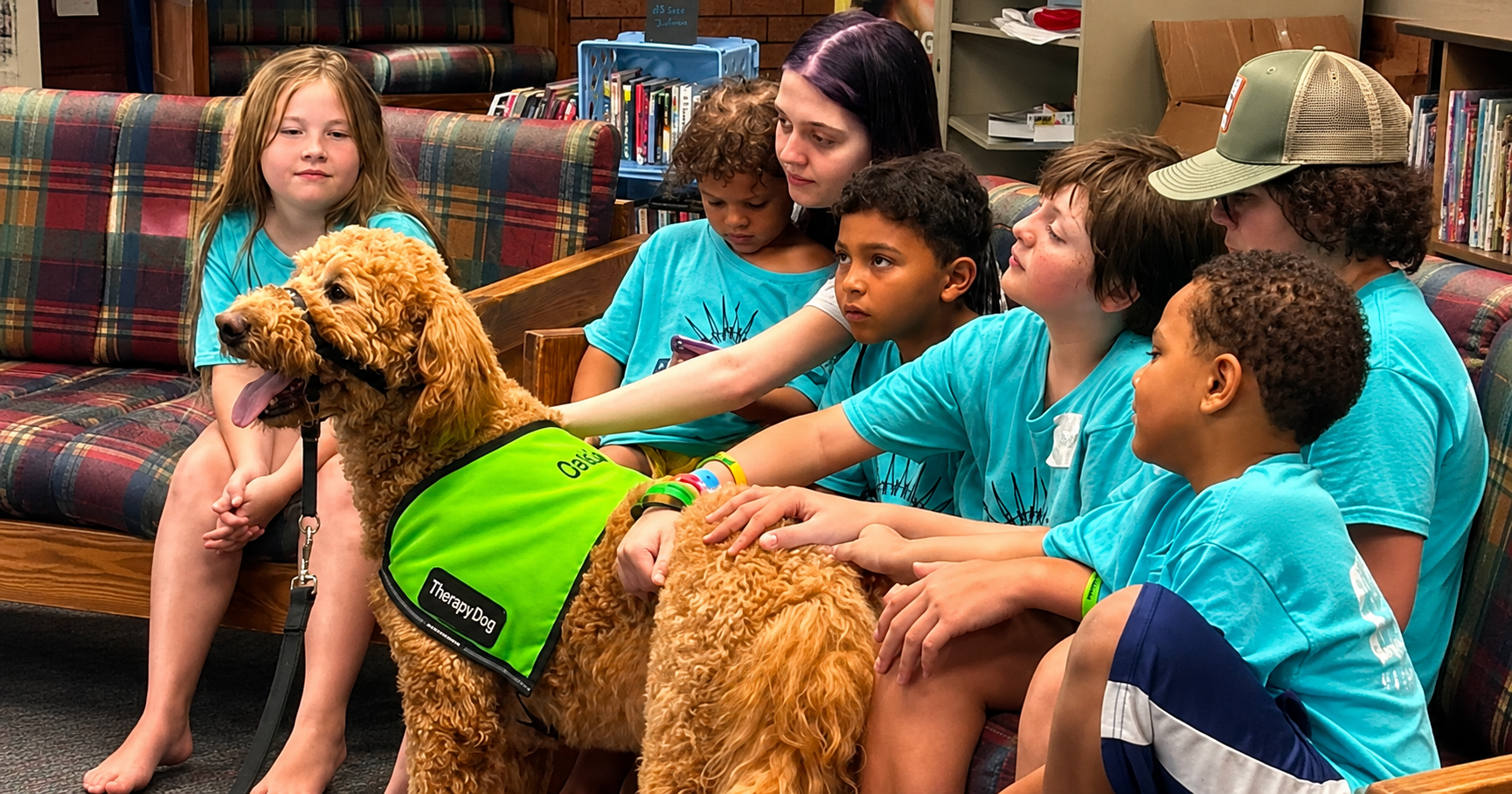
When a child experiences the death of someone they love, adults wonder: Should they be crying more? Are they crying too much? They seemed okay all afternoon... is that normal? Another child in our family is grieving completely differently. Should I be concerned? And finally: Are they processing this in a healthy way…or at all? We look for signs that they're coping well. We wonder whether they're expressing enough emotion, too much emotion, or any emotion at all. And when they seem happy one minute and heartbroken the next, it's easy to wonder if something is wrong. The truth is, children's grief often looks very different from adult grief. Just as no two adults grieve exactly the same way, no two children do either. And while every child is unique, there are a few patterns in children's grief that can surprise many parents, grandparents, teachers, and caregivers. Understanding them can bring reassurance during an incredibly difficult time. 1. Children's grief can feel like a roller coaster. One of the most common concerns we hear is, "I don't know if they're grieving the way they're supposed to." We often tell families that children's grief can look a lot like a roller coaster — with really high highs and really low lows, sometimes with very little space between them. A child may cry after talking about Grandma one minute, then ask to go outside and play the next. They may have the giggles through dinner, then become tearful at bedtime. To the adults around them, those quick shifts can be surprising or even concerning. It's natural to wonder whether they're avoiding their feelings, whether they're grieving "enough," or whether those emotional ups and downs are a sign that something's wrong. For many children, they're not. Rather than staying with difficult emotions for long periods of time, children naturally move in and out of grief. They take breaks to play, laugh, learn, and simply be kids before returning to feelings that can be overwhelming. Those moments of joy don't mean they've forgotten the person they love. In many ways, adults do this too. We may cry while looking through old photographs, then laugh over dinner because someone shares a funny story. We move in and out of grief throughout our lives. Children simply tend to move through those moments more quickly. 2. Play is part of grieving. Adults often process grief by talking about it. Children are just as likely to process it through play. They might draw pictures, build with blocks, tell stories with stuffed animals, or spend hours outside pretending. It may not look like grief from the outside, but play is often how children make sense of emotions that are just too big for words. That's one of the reasons grief camps include games, crafts, outdoor activities, and therapy dogs. A child making a friendship bracelet, kicking a soccer ball, or spending a few quiet minutes with a dog may be doing more emotional processing than we realize. Play gives children a chance to catch their breath before returning to emotions that can be exhausting. It's one of the many healthy ways they cope with loss. 3. Grief changes as children grow. Children's understanding of death changes as they get older. A child who loses a loved one at six years old won't understand that loss the same way they will at sixteen. As they reach new stages of life, they often experience their grief in new ways. A graduation, a first job, a school musical, or even a family tree assignment at school can bring old feelings back to the surface. The reality is that grief often grows alongside us. As children reach new stages and milestones in life, they naturally see their loss from a different perspective. That doesn't mean they're grieving "all over again." It means they're understanding the loss through the eyes of the person they've become. 4. Children sometimes try to protect the adults they love. Children notice more than we often realize. They see when Mom cries. They notice when Grandpa gets quiet. They can sense when the adults around them are hurting. Sometimes, because they love those adults so much, they decide to hide their own feelings. They may avoid talking about the person who died, say they're "fine" when they aren't, or try to stay strong because they don't want to make someone else sad. It's a loving instinct, but it's also a heavy burden for a child to carry. One of the greatest gifts we can give a grieving child is reminding them they don't have to protect us from their grief. They deserve space for their feelings, too. 5. There’s no "right" way to grieve. When adults lose someone they love, we don't expect everyone to grieve the same way. Some people cry openly and others hold their emotions close. Some find comfort in talking about the person they've lost, while others need quiet time before they're ready. None of those responses are inherently right or wrong; they’re just different. The same is true for children. One child may ask dozens of questions and another may become unusually quiet. One may want to tell stories about the person they lost every day, while another may avoid talking about them for weeks or even months. None of those responses automatically tell us whether a child is grieving “right” or grieving “wrong.” Every child has a different personality, every relationship is unique, a every loss is different. Rather than comparing one child's grief to another's, it can be more helpful to ask a different question: Do they know they're safe to express what they're feeling? When children know they can cry, laugh, ask questions, share memories, or simply sit quietly without being judged or rushed, they're given the freedom to grieve in the way that's right for them. Walking beside grieving children There isn't a roadmap for helping a child through grief, and there aren't perfect words that can make their pain disappear. But what children remember most is actually quite simple. They remember the adults who listened. The people who answered their questions honestly and without judgement. The family member who let them laugh without feeling guilty. The friend who sat beside them without expecting them to say anything at all. At Krill Funeral Service, we've had the privilege of walking alongside children and families in many different ways. Whether it's connecting families with local grief resources, supporting programs like Rays of Hope Camp, or simply watching Oakley sit quietly beside a child who needed him, we've seen how much comfort can be found in simply being there. Children don't need you to have all the answers. They just need you to be a safe place for their grief. If your family is supporting a grieving child and you're not sure where to begin, we're always here to help connect you with resources and support. Call us at (419) 636-3525 or send us a message.
By Danielle Raub May 29, 2026
There are some souls who walk into a room and instantly bring peace.
By Danielle Raub May 1, 2026
We often think of grief as something visible. Something tangible.
By Danielle Raub April 22, 2026
When we think about the impact we leave behind, we often think about the life we lived, the choices we made, and the values we carried. For those who made an effort to live more gently on the earth, that care often came from a deeper place: a love for the world around them, and a desire to leave it a little better for the generations that follow. It’s only natural to want that same care reflected in the way they’re laid to rest. More and more families are beginning to ask a simple question: Is there a way to say goodbye that feels a little gentler on the earth? The answer is yes but like most meaningful choices, it’s also a little more nuanced than it seems. Embalming; Balancing Tradition and Environmental Impact 1 One of the first decisions families often face is whether or not to embalm. Some choose to avoid embalming in hopes of reducing environmental impact. In cases where a viewing or wake is still desired, however, refrigeration is typically required. While effective and widely used, refrigeration does rely on energy systems that contribute to broader environmental concerns. Embalming itself is often misunderstood. Modern embalming solutions are carefully regulated and highly diluted. Only a small portion of the solution contains formaldehyde, a compound that breaks down relatively quickly and does not persist in soil or groundwater. For generations, these practices have been carried out safely, with a focus on dignity, preservation, and the well-being of both families and funeral professionals. For many, the decision ultimately comes down to what feels most important: the opportunity for a traditional viewing, personal values around environmental impact, or a balance of both. Green Burial: A Return to Simplicity Green burial is often the most natural option available. It focuses on simplicity, minimizing environmental impact, and allowing the body to return to nature as naturally as possible. This typically means: No embalming chemicals Biodegradable caskets or burial shrouds Burial in a natural or conservation-focused setting Without synthetic materials or preservation methods, the body is able to return to the earth more directly. For many families, there’s comfort in that simplicity. It can feel steady and grounding, something that reflects the natural order of life and a quiet respect for the land itself. At the same time, it’s worth understanding that even green burial exists within a broader environmental picture. Factors like soil conditions, groundwater protection, and long-term land use all play a role. In some settings, natural decomposition can raise concerns around environmental impact or site preservation over time. 1 For families, this doesn’t diminish the meaning of the choice, it just highlights the importance of thoughtful planning and clear information. Cremation: Thoughtful Choices Within a Common Practice Cremation remains one of the most common end-of-life choices. While it is often perceived as a more environmentally friendly option, it does carry its own impact. The cremation process requires a significant amount of energy and results in emissions such as carbon dioxide and other gases. That said, there are still ways to approach cremation with care and intention. Families can consider options such as: Biodegradable vessels made from materials like recycled paper, coconut shells, sand, or salt Scattering gardens, which provide a peaceful and environmentally mindful way to return cremated remains to the soil Urns made from natural materials like ceramic or wood, rather than plastics or synthetic components Individually, these choices may seem small. Together, they reflect the same kind of consideration someone carried in life: a quiet awareness of how their presence touches the world around them. Caskets: Choosing Materials That Reflect Your Values Traditional caskets are often made with metals, treated woods, and synthetic finishes that aren’t designed to break down. For families seeking something more aligned with natural processes, there are alternatives that feel simpler and more organic. Some of these include: Solid wood without chemical treatments Woven fiber caskets These options reduce environmental impact while also offering something that feels warmer, less clinical, and more at home within the natural world. Visitation: Creating a More Thoughtful Send-Off End-of-life care isn’t limited to burial or cremation. The visitation and service itself can reflect the same sense of care and intention. Families are increasingly choosing to: Select locally sourced or seasonal flowers to reduce transportation impact and waste Use digital programs or memorial pages instead of printed materials Incorporate natural fabrics or biodegradable materials where possible Offer simple, thoughtfully sourced refreshments with minimal packaging None of these choices take away from the experience. If anything, they often add to it. They allow the service to feel more personal, while still honoring the traditions that help families find connection and closure. Emerging Options: Looking Ahead There are new options beginning to emerge that aim to reduce environmental impact even further. While not yet legal in Ohio, they are worth understanding from an educational standpoint. Alkaline Hydrolysis (sometimes referred to as water-based cremation) uses a combination of water, temperature, and alkalinity to gently break down the body. Compared to traditional cremation, it uses less energy and does not produce the same level of airborne emissions. The process results in remains that can be returned to the family, similar to cremation. This is currently legal for pets in Ohio. Natural Organic Reduction , also known as human composting, allows the body to naturally decompose in a carefully managed environment, transforming it into nutrient-rich soil over time. For families drawn to the idea of returning to the earth in a more direct and regenerative way, this option can feel especially meaningful. While these methods are not currently available in every state, including Ohio, they reflect a broader shift in how we think about end-of-life care. As laws and practices continue to change, they may become more accessible in the future. For now, understanding these options can help families make more informed decisions and feel more confident in the choices that are available to them today. A Greener Goodbye: Thoughtful, Informed Choices There’s no single “right” way to approach end-of-life care, because no two lives look the same. Whether that means choosing a green burial, a more traditional service, cremation with mindful options, or simply using compostable utensils during visitation, even the smallest details can reflect what matters most. Choosing greener options can be one way to carry those values forward, allowing the final arrangements to reflect not only how someone lived, but what they hoped to leave behind—a legacy rooted in care, thoughtfulness, and a desire to leave the world just a little better than we found it. We’re here to help you explore what’s right for you. Contact us at (419) 636-3525. Sources: 1. Golden, J. A. (n.d.). Viewpoint: Green-Earth burial funerals. American Funeral Director.
By Danielle Raub April 2, 2026
There’s a part of every story that feels unfinished.
By Danielle Raub March 6, 2026
The remarkable true story of Henrietta Duterte, one of the first women funeral directors in America.
By Danielle Raub March 1, 2026
Presidents’ Day invites us to reflect on leadership, history, and national legacy. But beyond the long weekend and the history lessons, it also raises a quieter question: How do we choose to be remembered?